Uncategorized

Sun 12 Oct 2014

Historic Newari House Under Restoration

Historic Newari House Under Restoration

I spent hours taking photos while walking Bandipur’s small, narrow plaza, its cobbled side streets, and a few twisting trails that snaked around on the hillsides. During the day the temperature rose to around 30 degrees Celsius, but at night it cooled down to a pleasant 18 degrees or so — perfect sleeping weather.

The silence of the night was only broken by the gentle, rhythmic chirping of Bandipur’s local cricket families (the insect, not the game!) and the occasional crow of an insomniac rooster.

At breakfast this morning on the balcony of the local cafe, one of the cadre of roosters hopped over, took a few pecks on the wooden floor, then bumped over to the edge of the balcony and began a dialogue with a kindred bird some way off.

I can offer no onomatopoeias to express the sound of this call-and-response duet, but if translated from Nepali Rooster to Normal English, it probably went something like this: Chicken One – “Honey I’m at Ke Garne Cafe. Do you need anything?” Chicken Too – “We need some bread crumbs – can you pick up a few pecks?” Chicken One – “Sure honey, I already did but…unfortunately I swallowed them.” Chicken Too – “Oh well, Ke Garne.” Chicken One – “Oh, and, the eggs are fresh today! Should I bring some?” Chicken Too – “No, I just laid a few new ones this morning, so we should be set for a while.”

IMG_2727IMG_2720

Small Shrine in Daylight

Small Shrine in Daylight

Small Shrine at Night

Small Shrine at Night

Smaller Shrine!

Smaller Shrine!

Animal Near Smaller Shrine

Animal Near Smaller Shrine

Tarkari on Sale Today!

Tarkari on Sale Today!

IMG_2858

Standard
Uncategorized

Sat 11 Oct 2014

Bandipur

Bandipur

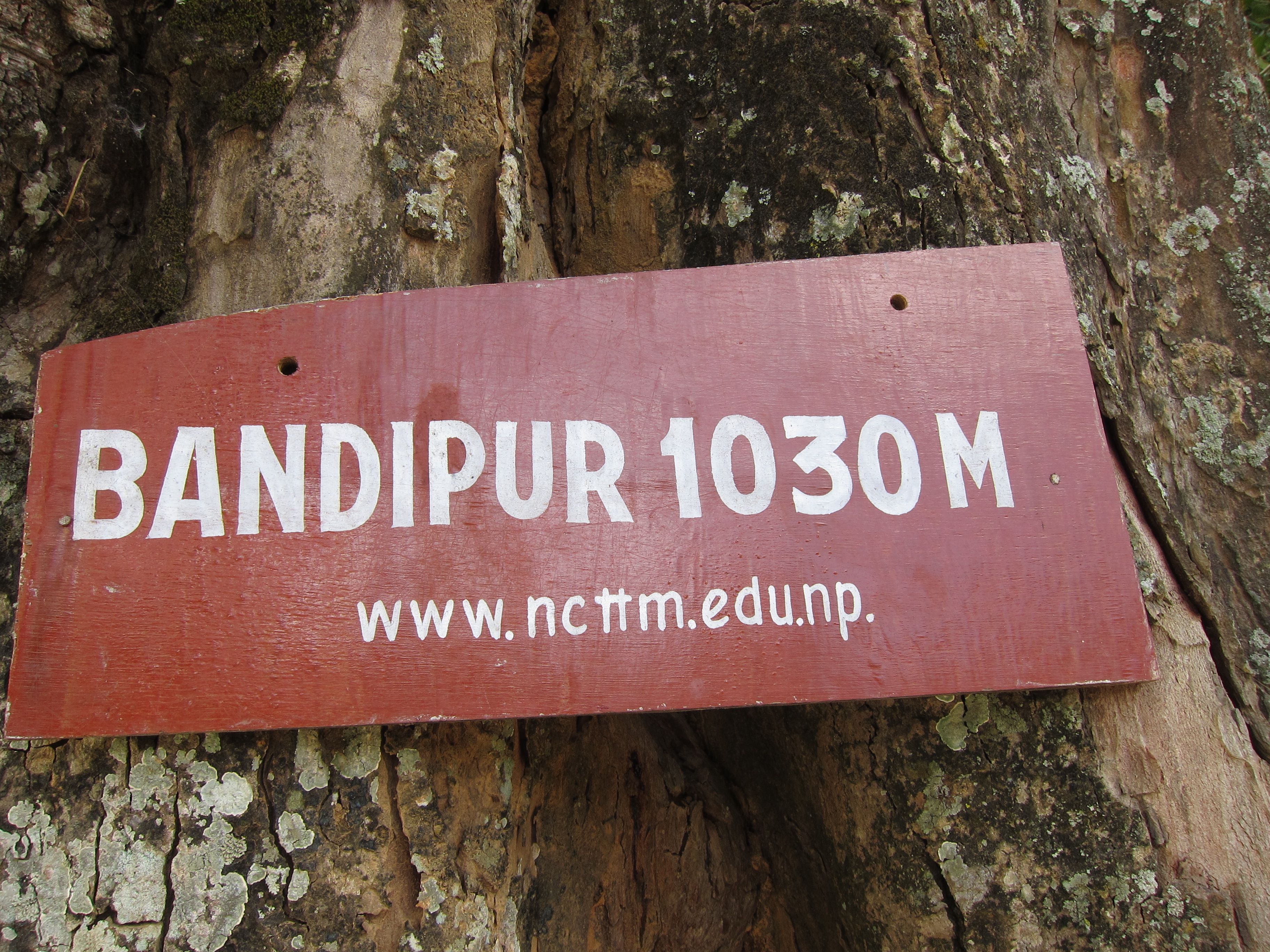
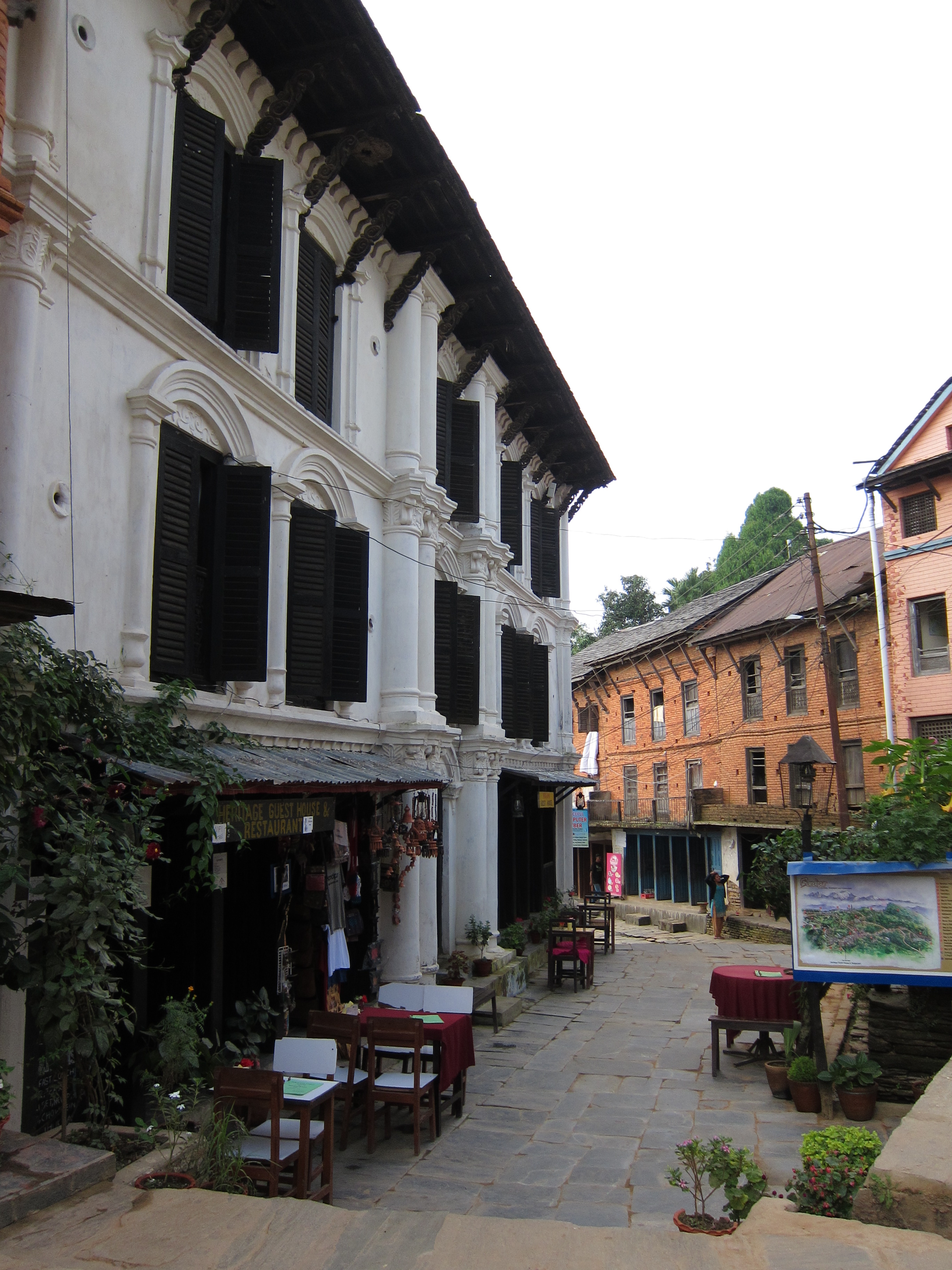
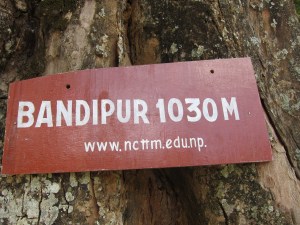
Bandipur is a small, pretty village set on a high ridge in the foothills of the Himalayas. I decided to stop there to break the long journey from Pokhara to Kathmandu into smaller parts. As the bus drives, it is about two hours east of Pokhara and five hours west of Kathmandu.

My guesthouse was more basic than I expected: no hot water, no sink in the bathroom, and the house itself looked as if it had not been changed from its original appearance from when it was built. (I did not know the age of the house but I suspected it would have been over 100 years old). Despite the very rustic accommodations, the place met my three criteria of safety, cleanliness, and helpful staff. And at 500 rupees per night, it was very affordable!

My corner room was bright and airy, with two sets of big windows that allowed a nice cross breeze to flow through. Outside the windows I could look out over some banana trees and see the hillside dropping away, allowing dramatic views of the nearby valley.

View at Breakfast

View at Breakfast

There was not much to do in Bandipur — no museums, no movie theaters, no live music, no bars, no adventure travel companies. It was simply a small, quaint village that attracted tourists due to its idyllic location, interesting architecture and lack of any kind of traffic other than pedestrians. Motorized traffic could drive up the hill to the edge of the village but could not enter the cobbled main square or side streets, and besides, other than the main square the other streets had too many twists, turns and steps to be friendly to anything that rode on wheels.

IMG_2794

While it attracted tourists the village was not overrun by them, and the basic restaurants and guesthouses were tourist friendly, offering English menus, a wide variety of cuisine from various parts of the world, and WiFi (even my rickety guesthouse had WiFi!).

Not a bad place to spend a few peaceful days.

Still Life at Ke Garne Cafe (Ke Garne means "What to do?" in Nepali)

Still Life at Ke Garne Cafe (Ke Garne means “What to do?” in Nepali)

Standard
Uncategorized

Fri 10 Oct 2014

View from Sarangkot

View from Sarangkot

Bandipur!
Bandipur!

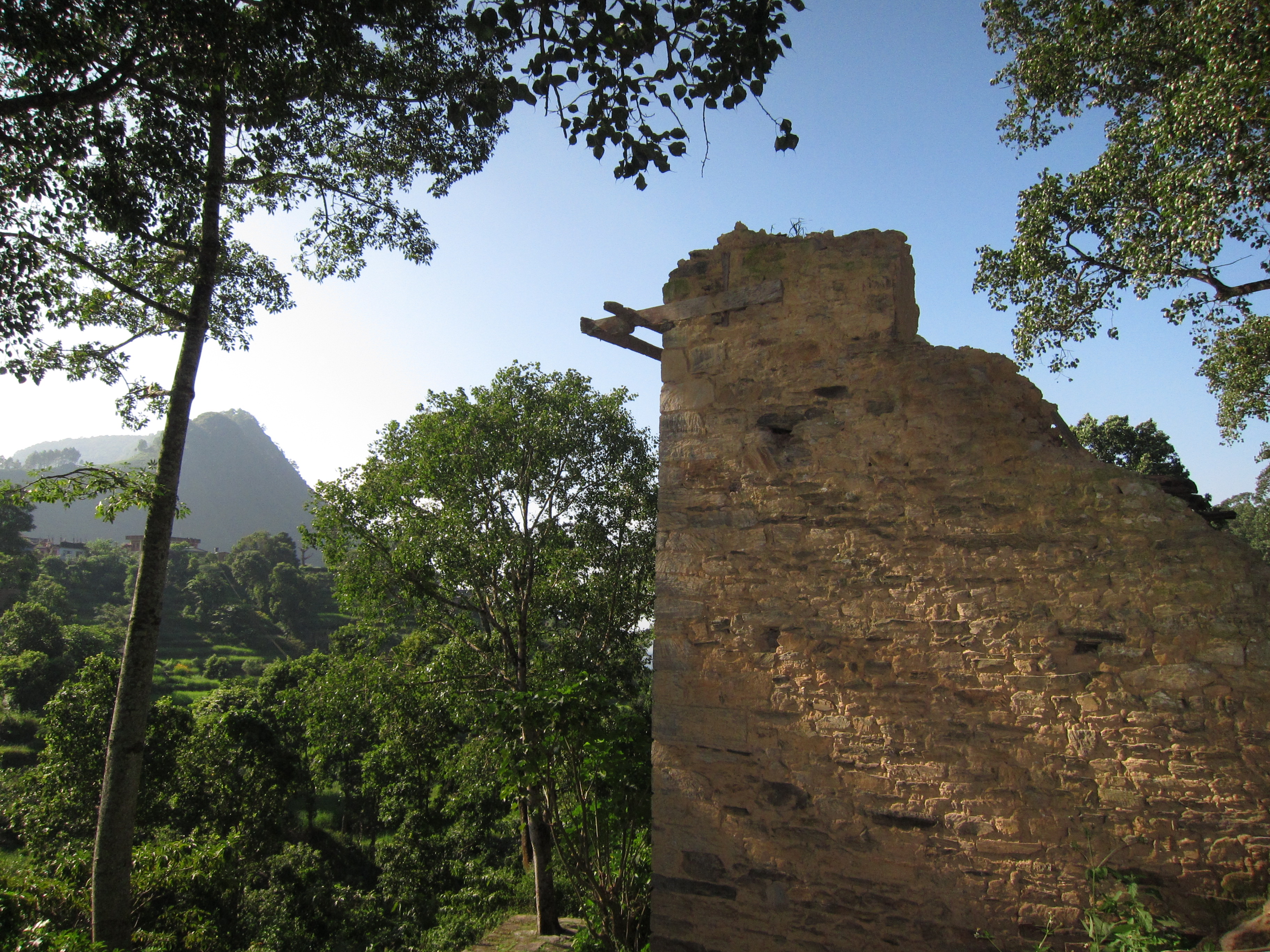
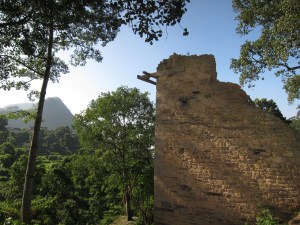
Bandipur Ruins

Bandipur Ruins

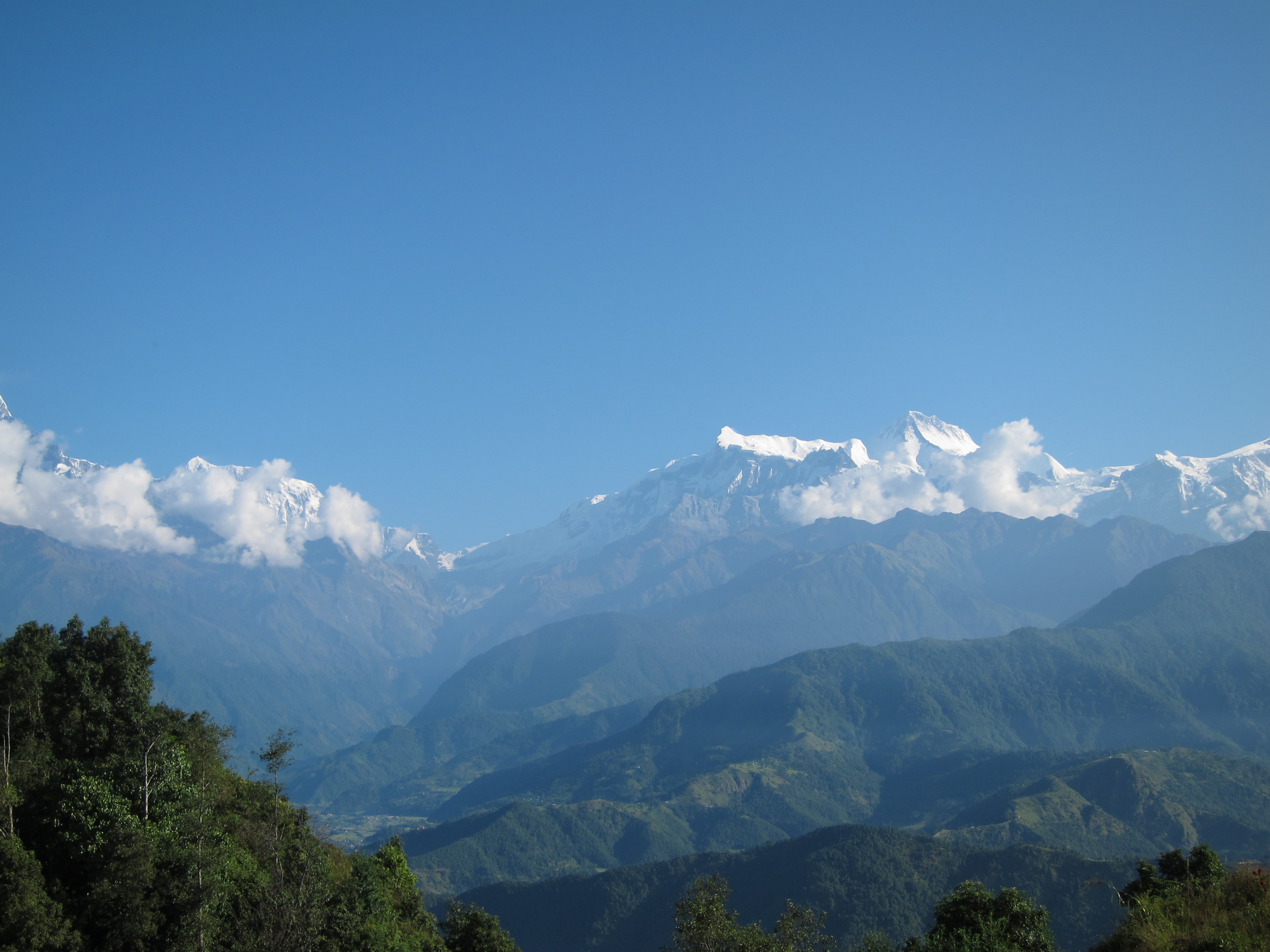
Indeed this morning the skies were clear and I got a good view of the mountains, but the views were much better during my trek since at that time we were much closer to the Annapurna range. While the views here were underwhelming, the true exciting news for today was Good Transportation Karma.

I was not much in the mood for the three-hour walk downhill back to Pokhara. Even though the taxis charged an exorbitant rate — around 1000 rupees for a 25 minute trip — I knew of no other alternative. Unable to find a taxi nearby, I stopped into a restaurant at the top of the hill above the paragliding take-off field to have a masala tea. As I was leaving, I asked the proprietor if there were any buses going to Pokhara. He said there were none, but suggested I walk down the hill to the paragliding field, where I might catch a ride back with one of the vans dropping off the paragliding groups in the morning. Sure enough, as soon as I crossed the field, a big, empty Toyota Hiace van was slowly passing by. I hailed the driver and he took me back to Pokhara for 200 rupees.

After I picked up my bag at the Hotel Nirvana, I immediately found a cab right in front of the hotel to take me to the Prithvi Chowk bus station. Then as soon as I stepped out of the cab at Prithvi Chowk, right in front of me I found the bus headed for Dumre, where I needed to go to get a connection to Bandipur. But it gets better!

Two hours later when we reached Dumre, a local steered me in the direction of the parking area where the shared jeeps to Bandipur congregated. As I was walking up to a jeep, a taxi driver stepped over and offered to take me to Bandipur for 500 rupees. This was probably a reasonable price for the 20 minute uphill trip, but I thought, why waste money and fossil fuel when I can travel with the masses? I told the taxi driver I would rather take a jeep. “No jeeps,” he lied. I told him maybe I would take a bus. He said, “No bus. Bus to Bandipur is full,” and nodded in the direction of a bus pulling away, several meters from where we were standing. I quickly shuffled over to the moving bus, made eye contact with the driver, and asked, “Bandipur?” He said yes, and motioned for me to get in. I scurried over to the other side of the bus and got in as the bewildered taxi driver looked on and realized his mistake.

Anybody who has traveled in Latin America or South Asia knows there is no such thing as a full bus. Even though the bus appeared full as I climbed in, somehow, just like another drop of water is sucked up by those high-tech sponges that soak up a million times their weight (as seen on TV), I was absorbed into the bus. And this bus was not just a sponge — it was a veritable black hole with an irresistible gravitational force, even defying all known laws of physics, pulling in any nearby pedestrian into its vacuous depths.

The bus aisle was jam-packed: people were standing since there were no more seats; a small boy was sitting on a bucket; a girl (maybe his sister) was asleep on some sacks; and there were boxes and bags taking up any interstitial space. Normally the conductor would walk the bus aisle to collect the fares, but since there was no room, I figured I would pay the 50 rupee fare when leaving the bus. Then suddenly I came to the shocking realization that no room was synonymous with full.

I noticed that most conductors on these local buses were skinny youths, but this older man’s physique had strayed somewhat in the other direction, which either hindered or helped his progress through the bus. With his pot-bellied girth he began to steamroll slowly forward, elbowing and squeezing his way through the bus. As he pushed past me on my left, just as a lump in the carpet when pushed down inevitably resurfaces somewhere else, the right side of my Fat American Butt inadvertently invaded the previously unhindered airspace of an unfortunate elderly Nepali man. I was feeling bad about this when I realized that it didn’t bother him in the least, as this sort of thing was likely a daily occurrence for him.

Finally we reached Bandipur at the top of the hill. The bus came to a complete stop and I heard the engine grind down, sputter and turn off, followed by the hiss of the air brakes. Ah, now we can get out of this human compactor, I thought.

A few moments passed, and…no one moved. Just like a full ketchup bottle when turned upside down and struck with the heel of the hand yields nothing — such was our bus. We needed a Himalayan Giant to pick up the bus and give it a good shake or two to dislodge us, but the Giants and other Himalayan Gods were obviously occupied with more important tasks.

Finally, somewhere in the front, Key Passenger Number One, holding everything together like that one strategically placed Jenga block, managed to wriggle him or herself free. (I am sure that if I were nearer I would have heard a popping sound). Then one by one, slowly and not without difficulty, we made our way off the bus.
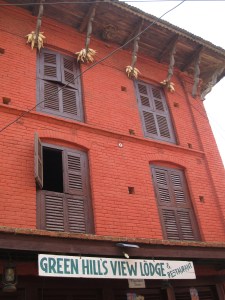
My Very Rustic Guesthouse, Bandipur
My Very Rustic Guesthouse, Bandipur

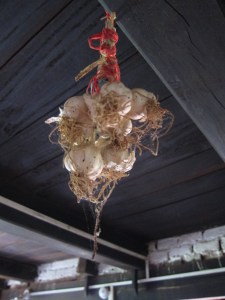
Hanging Out in the Guesthouse
Hanging Out in the Guesthouse

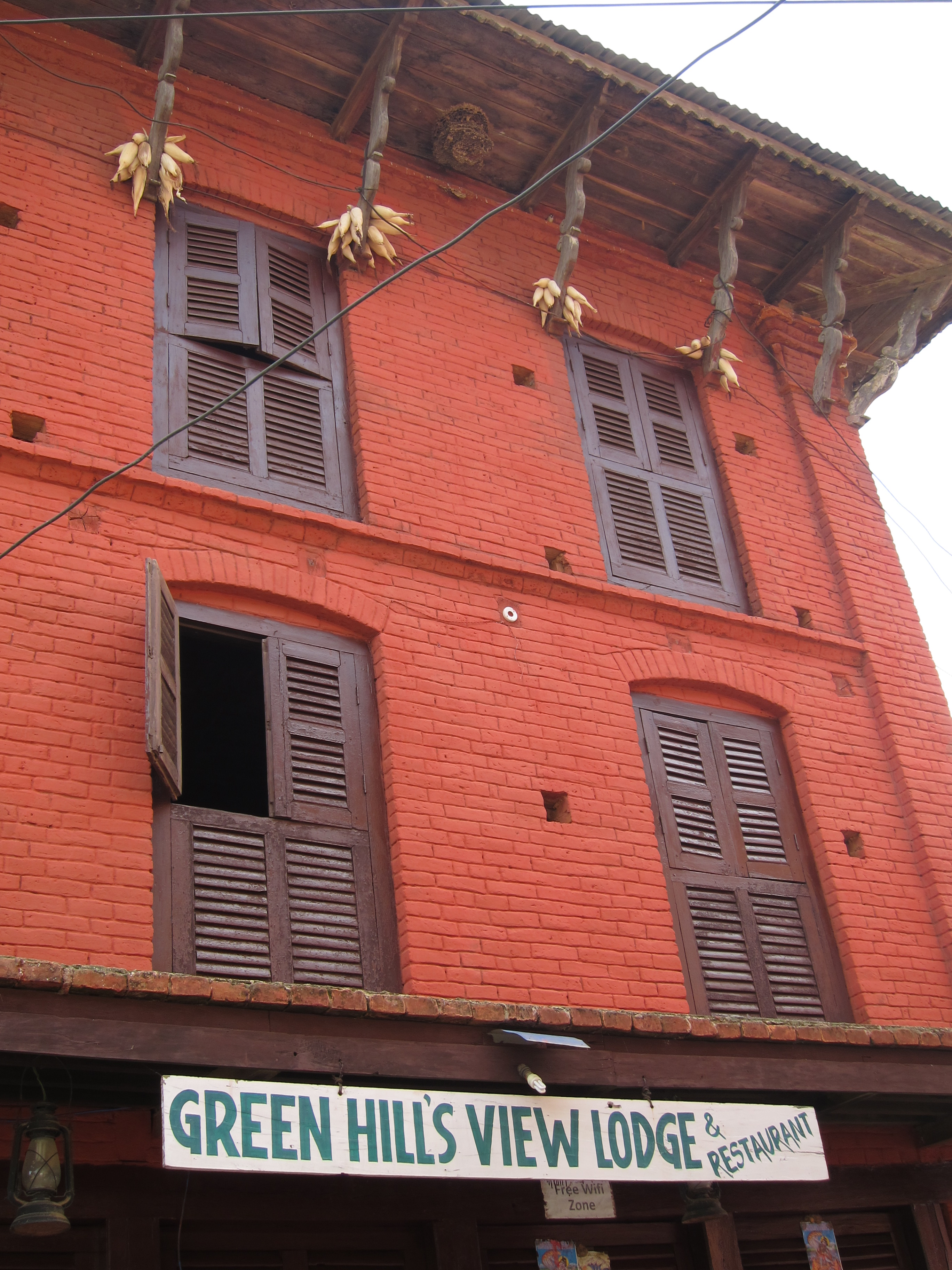
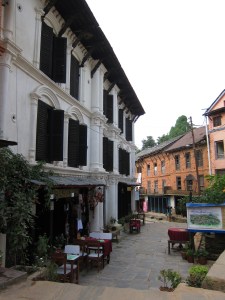
Old Newari Houses, Bandipur

Old Newari Houses, Bandipur

Standard
Uncategorized

Thu 9 Oct 2014

Paragliders in Flight

Paragliders in Flight

This morning I left my larger bag with the Hotel Nirvana and carrying my daypack I began walking to Sarangkot, a village on a hill overlooking Pokhara. From Sarangkot in clear weather one can get excellent views of the Annapurna range in the distance. Also, I was told that the paragliders took off from this hill and I was eager to get a closer look.

Yesterday I had walked to the north end of Fewa Tal to do some reconnaissance, and with the help of some locals I had located the Sarangkot trail head. When I reached the trail head today, I was able to follow the path in the beginning but after about a half hour I was not sure which way to go. Thankfully a small boy of about six years old pointed me in the right direction. (He even offered to guide me to the top, but I politely declined!).

The climb was quite steep but the trail had flat paving stones clearly marking the way and serving as steps for much of the ascent. After almost three hours walking I looked up at the blue sky and finally saw the paragliders sailing just above me. (When they were very close I even heard their excited laughs). I had fun taking photos of them. Eventually I crossed the small field from which they took off and one of the instructors directed me to the final set of stairs to the village.

Above Sarangkot

Above Sarangkot

I had made a booking at the Sherpa Resort about 10 minutes’ walk from the top of the hill, since my guide-book said it was the hotel that offered the best mountain views. Unfortunately just after I arrived the clear skies turned cloudy and a fog permeated the top of the hill, limiting visibility to only a few hundred meters. The hotel’s owner assured me that the morning would be clear and I hoped he was right.

IMG_2688

View of Fewa Tal from Sarangkot

View of Fewa Tal from Sarangkot

Small Flower on Trail

Small Flower on Trail

Standard
Uncategorized

Wed 8 Oct 2014

Tsogyal (meaning "Lake Queen") is the proprietress of this new Tibetan handicraft shop.

Tsogyal (meaning “Lake Queen”) is the proprietress of this new Tibetan handicraft shop in Pokhara.

I informed the Hotel Nirvana that I would be checking out tomorrow morning, with plans to spend tomorrow night in Sarangkot. On Friday I would go to Bandipur and spend the weekend there, returning to Kathmandu on Monday to be sure I would easily be able to make my Tuesday afternoon flight to Bangalore, India.
As I was wandering about Pokhara today a Tibetan shopwoman started a conversation with me. She explained that she had just opened her shop, and was eager to show me her merchandise in hopes that I would buy something. I was determined not to acquire more “stuff” and therefore was not a good customer but I did stop to chat with her and I took some time to appreciate the beautiful hand-made jewelry created by skilled Tibetan artisans.

As we talked we learned that we were both born in the same year! Her parents had left Tibet in 1959 as refugees and settled in Nepal, where she was born. Her name was Tsogyal, which she said meant Lake (tso) Queen (gyal) in Tibetan.

If you should find yourself in Pokhara sometime, visit her shop! The name is Vangpachen Tibetan Handicrafts.

Standard
Uncategorized

Tue 7 Oct 2014

This charming young lady was waiting tables at a cafe.   She is also in college and I hope she will have the chance to continue studying.

This charming young lady was waiting tables at a Pokhara cafe. She is also in college and I hope she will have the chance to continue studying.

Back in Pokhara, I explored my options as to how I would spend my last week in Nepal. While several people had recommended I go to Lumbini (Buddha’s birthplace) I decided I wasn’t up for the ten-hour bus ride there. I decided I would spend a few more days in Pokhara, going through my photos and catching up on my blog, then spend one night in nearby Sarangkot. Finally I would make my way back to Kathmandu, stopping on the way for a few days in Bandipur.

A few weeks back I had met a young girl who served me at a local Pokhara restaurant — she looked no more than 15 years old. She appeared shy and not completely confident of herself – she said she was new. However she was very attentive and was trying very hard, and when her manager asked me if she was doing well, I told him honestly that she was doing a great job. When I paid the bill I gave a small tip which she was reluctant to take, smiling shyly and saying, “Oh no sir, it is OK!” Finally she took the money after her manager nodded. Was she as young as she looked? Was she in school? I was curious about her story.

Today I ended up having lunch at the Newari Cafe where she worked and since it was not busy we chatted for a while. She said she was 17 (older than she looked) and I was glad to know she was in college (11th Standard). She was very fluent in English. I complimented her on her English and encouraged her in her studies. She said she was the eldest of four siblings and that they and their mother had arrived four months ago in Pokhara, to join some other family members. I had assumed she was a Nepali Newari (it was after all the Newari Cafe!) but I learned she was from India — Nagaland to be exact.

India or Nepal, girls face many more challenges than boys, even before they are born. In Nepal, for example, female literacy significantly lags that of males, girls are less likely than boys to be enrolled in school, and girls are more likely than boys to be working at a young age (UNICEF). Nagaland has similar statistics.

I suspect that this young woman can go far if given the opportunity, so let us all wish her well in hopes that she may continue in her studies and reach her potential. (She gave consent for me to take her photo, and I gave her the address of this blog).

Standard
Uncategorized

Mon 6 Oct 2014

Some Cute Nepali Chicks, Under the Wa

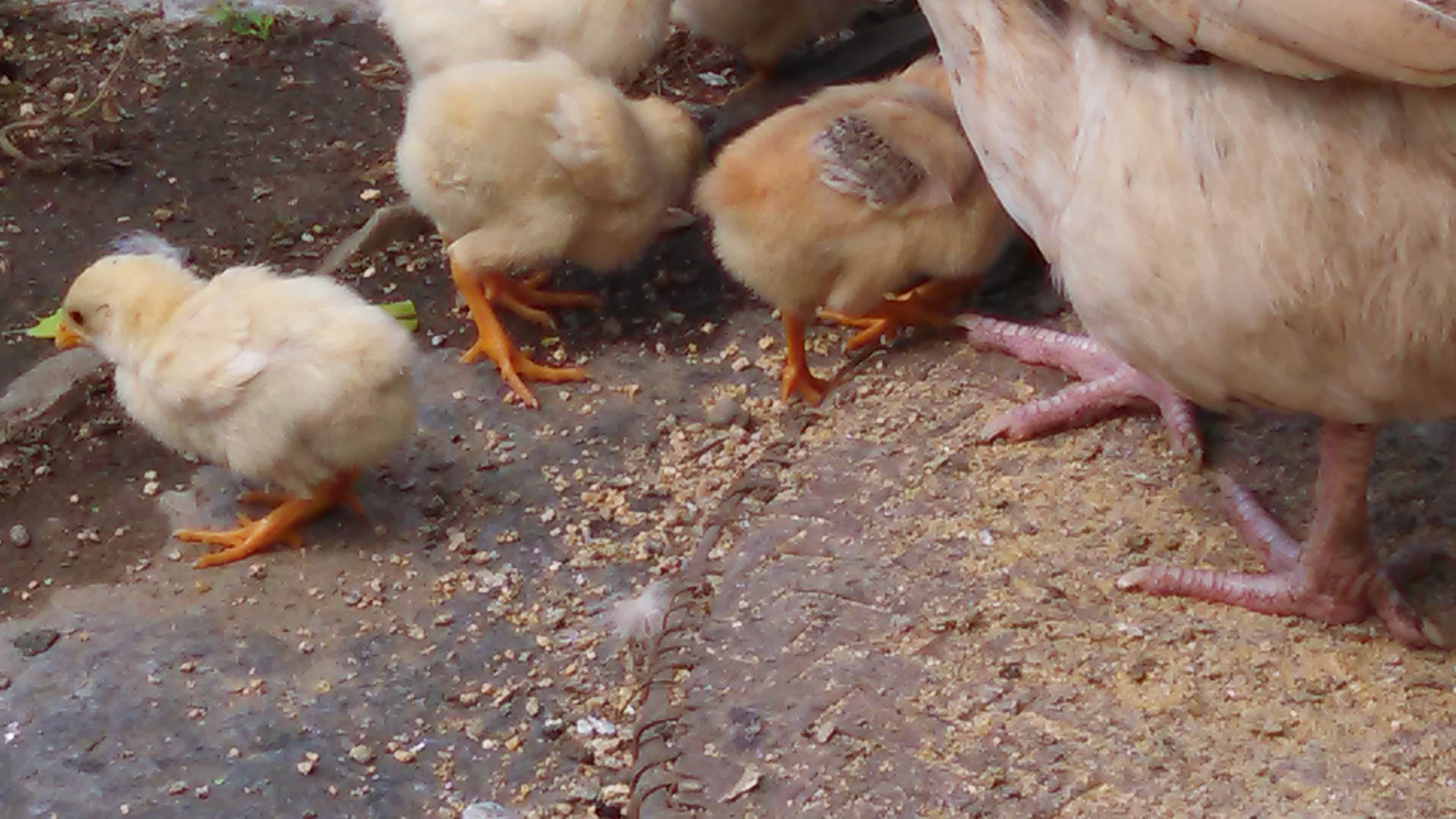
Chicks & Mom, at Magar Family Home

Back to civilization today! We walked for about three hours in the morning today, reaching a tiny village around noon, where we had lunch at a Magar family home.

There was a baby there named “Enji” who was being carried around by an older girl cousin. Enji was very interested in my sunglasses and gazed curiously at me. Eventually we shook hands and did a few “high fives” which she found very exciting. She had six teeth (I counted).

We ended up at a town called Phedi, where a taxi was waiting to take us back to Pokhara. The rest of the day I relaxed, tired from six days of intense physical activity.

IMG_20141006_092353_889

Millet in Foreground, Black Lentils in Background

Millet in Foreground, Black Lentils in Background

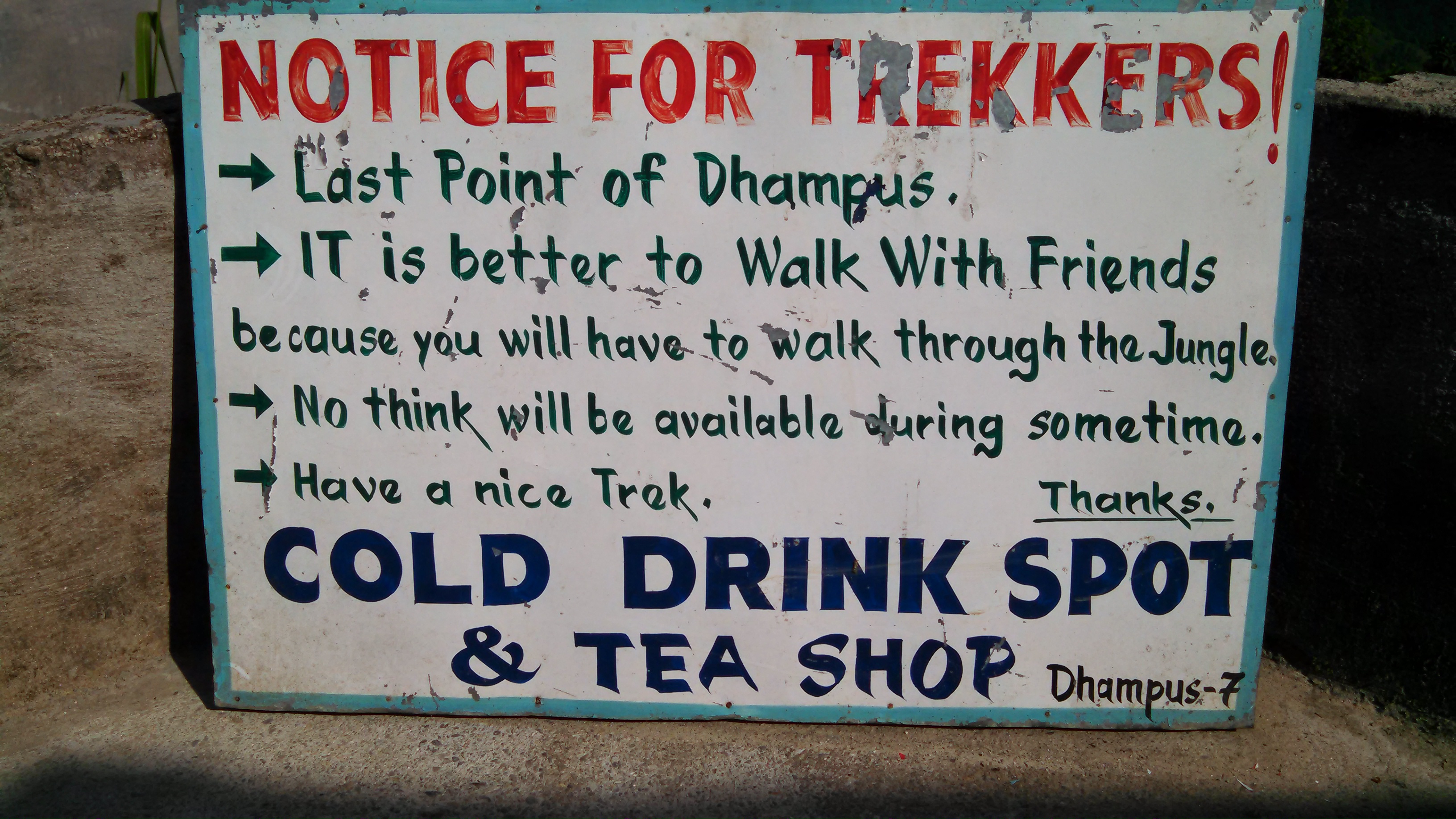
Sometimes we think too much. So I was very relieved to see this sign stating, "No think will be available for some time,"!!

Sometimes we think too much. Imagine my relief when I saw this sign stating, “No think will be available during some time,”!!

Standard
Uncategorized

Sun 5 Oct 2014

Beans Drying in the Sun

Beans Drying in the Sun

The weather got warmer as we descended. I enjoyed passing through the villages, where we would stop for tea, lunch, or to stay for the night. It seemed that the villages were quite self-sufficient in many ways.

As I mentioned earlier, they got their water from the mountain rivers and streams, and their power from hydroelectricity. (In fact, while Nepal’s two largest cities, Kathmandu and Pokhara, experienced daily power cuts — called “load shedding”– many of the villages boasted of “24 hour power”).

They grew rice, millet, corn, beans and vegetables like mustard greens and cabbage. They grew some lentils (for the Nepali staple of dal bhat) but Mane said most of the lentils grown in Nepal came from the southern Terai region. They also kept chickens, buffaloes and cows. And of course, these villages on the trekking routes generated a significant amount of revenue from providing food, lodging and other amenities to trekkers.

Terraced Rice Paddies

Terraced Rice Paddies

"24 Hour Dal Bhat Power" -- a slogan I saw on t-shirts here.

“24 Hour Dal Bhat Power” — a slogan I saw on t-shirts here.

From the beginning of the trek, I found one of the biggest challenges to be Dodging Donkey Dung. The donkeys on the trails had managed to spread their “fertilizer” left, right and center, so that it was impossible to walk a straight line on certain portions of the trail. Why were there so many donkeys on these trails?!

Beast of Burden

Beast of Burden

Only later did I become aware that it was because of the donkeys (and horses and mules too) that I was able to enjoy certain amenities at the restaurants and lodges. Since in the mountainous terrain wheeled vehicles were of no use (and indeed there were none), everything had to be transported by people or beasts. So these animals made their living transporting lentils and potatoes, toilet paper and soda, soap and towels, biscuits and chocolate, batteries and bulbs, and so on. I felt more compassionate towards the donkeys (and their dung too) once I developed this awareness.

Pepper Growing at a Village Guesthouse

Pepper Growing at a Village Guesthouse

Red Hot Chili Peppers, Sunbathing.

Red Hot Chili Peppers, Sunbathing.

Standard
Uncategorized

Sat 4 Oct 2014

My Competent, Professional & Protective Guide, Mr. Mane Gurung

My Competent, Professional & Protective Guide, Mr. Mane Gurung

We continued along our trekking route, and at some point Heebeom and her guide veered off in a different direction, pursuing the ABC trek route. I learned more about Mane as we spent more time together on the trail.

He was just a few years younger than I, but our paths in life were very different. His mother died when he was five, followed by his father several years later. Mane was raised by relatives but they had no money to send him to school, so he received no formal education. When he was old enough to accept responsibility, he tended the cows in his village. Then, when he was in his late teens, some friends with more education and connections helped him get a job as a porter serving international tourists on various Himalayan trekking routes.

He worked as a porter for about five years, at times carrying over 45 kg (100 pounds) over the steep mountain trails, for several hours each day. He eventually became certified as a guide, and had been working in this capacity for 22 years. During the worst of the Maoist conflict, for six years he worked as a cook on trekking expeditions in Ladakh, India, for several months of each year.

With no family support to rely on, in a society in which arranged marriages were the norm, he found his own wife and married her. Since he was Gurung and she was from the Mustang area, they spoke different native languages, but as they both spoke Nepali, that was their common language.

It was clear to me that Mane couldn’t read in any language, though he made efforts to feign literacy. He never directly admitted it, but one time I overheard a laborious phone conversation he was having with a colleague, in which he was trying to convey a telephone number and other details, after which he said, “Very difficult — he cannot read either.”

He and his wife had three children: a girl, 19, and two boys, 17 and 13. He explained that he had saved no money over the years, as he spent every extra rupee on his children’s education, including two years of English-medium secondary education in a boarding school for his two older children. He did this because, “No read — very difficult.”

He reported all his children were fluent and literate in Nepali, Hindi, and English; that his daughter had completed two years of post-secondary education and he hoped his sons would do the same.

So despite having no formal education and not being literate, by the most important measures this was a very successful man. I sincerely told him I was impressed with his accomplishments and in his modest way he acknowledged his satisfaction with what he had accomplished thus far.

A basketball court at 3000 meters. Could this be the highest court in the land? *Note that they are actually playing football (soccer)!

A basketball court at 3000 meters. Could this be the highest court in the land? *Note that they are actually playing football (soccer)!

Standard
Uncategorized

Fri 3 Oct 2014

Dawn View from Poon Hill, Ghorepani

Dawn View from Poon Hill, Ghorepani

“Sir! Sir! It is time!” Mane’s vigorous door-knocking and urgent cries roused me from a deep sleep. Bracing myself against the cold night I had pulled the covers over my head and only now I reluctantly peeked out into the…complete darkness. Was it such a big deal to see the sunrise? Doesn’t it happen daily?!” Well, I acknowledged to myself that I probably would regret not going, so I slowly got out of bed, pulled on my boots and rubbed my eyes.

“Lady is waiting!” What on earth could Mane be talking about? If there were any phrase to get a man moving, this would be it. But one of the huge benefits of traveling alone was to avoid this very scenario. I thought he must be saying this just to get me to move faster, but when I got downstairs Heebeom was ready to go.

Indeed, despite being on a 10 day trek where there would be no heat or hot water for nights on end, where the accomodations were literally wood shacks with cardboard-thin walls between the rooms, where there were no commodes, only squat toilets…she was still very clearly a “lady.” I had been impressed with how light she was traveling (one small backpack) until I noticed that her guide seemed to be carrying a larger load than the others, including a very girly pale pink pack and a duffel that had “South Korea” written in English across its side. When she asked anyone to take a photo of her, the shutter button could not be pressed until she had opened her compact to peer into her mirror, rearrange her hair and touch up her makeup. Before sitting down at a rest stop on the trail she would place a flowery seat cushion on the flat rocks. And she had furry striped socks and house slippers to wear in the evening. I found all this very amusing.

Anyway, along with the rest of the sunrise crowd we climbed up the steep hillside, reaching the peak in about an hour and a half. Now I was grateful to Mane for insisting on an early start, because we were some of the first ones there, and had our pick of the prime spots to get the best views. (A half hour later the area was crammed with tourists from around the globe jostling each other with their huge DSLR cameras, trying to get that perfect sunrise shot).

IMG_2532

We returned to the guest house around 7:00 a.m. and had a good breakfast, to prepare for the long trek to the next town where we would break for the night.

Sunrise

Sunrise

Still Sunrise!

Still Sunrise!

IMG_2603

Standard